Case Study

SoundSight: A Human-Centered Wearable Technology Concept

A case study in early wearable and ambient-computing product thinking built around sound, sight, context, and human usefulness.

Direct Answer

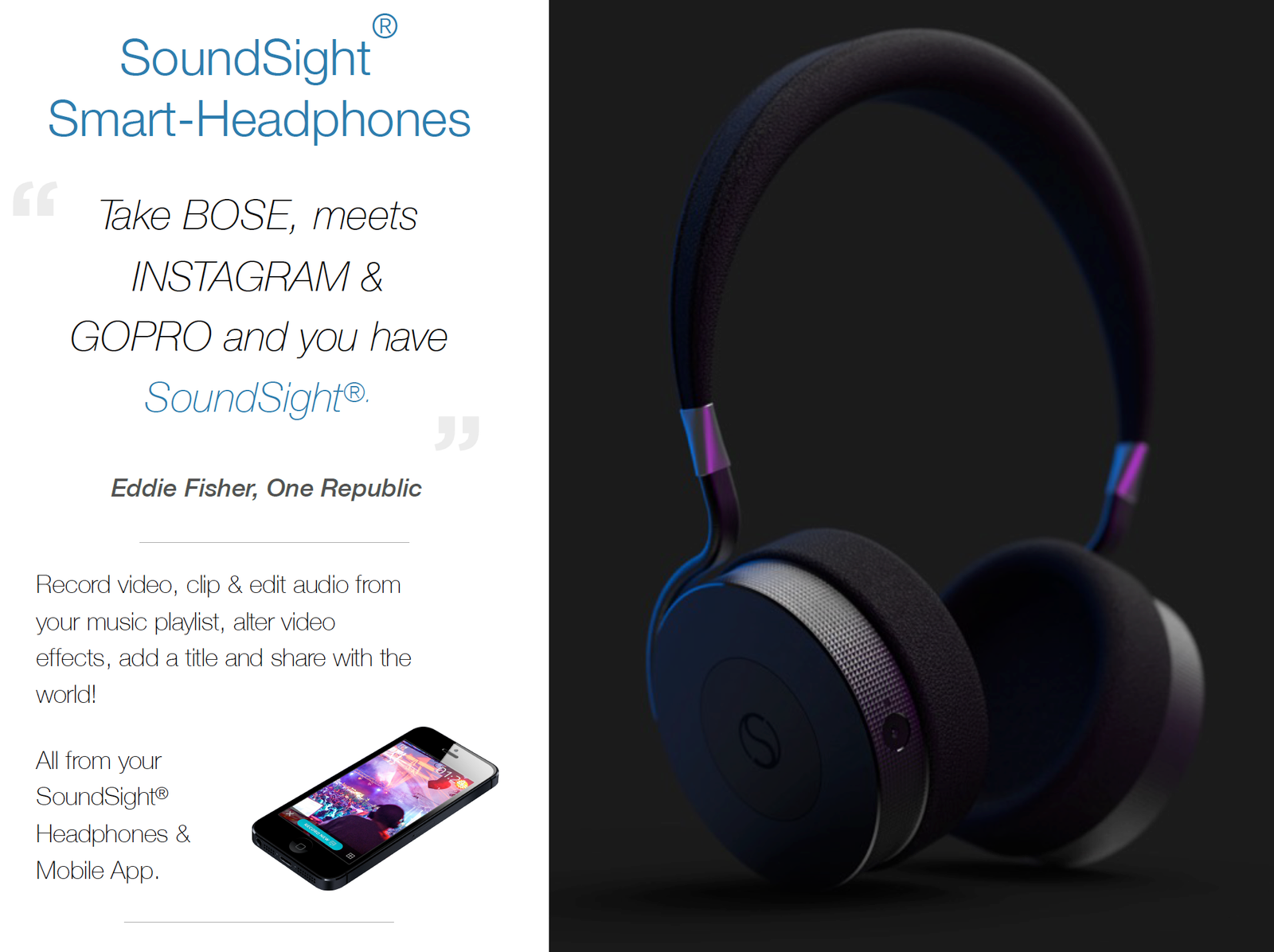
SoundSight represents Stephen Chase’s wearable-technology and ambient-computing work: a product vision connecting sound, sight, and contextual intelligence around the person using it. The public case study focuses on the product problem, design principles, ecosystem thinking, and lessons that can be supported without inventing dates, patents, funding, customers, or technical claims still awaiting verification.

The product question

Wearable technology can become a demonstration of miniaturization rather than a useful human experience. A device may collect data, display information, or add a new interface without answering why the person needs it, when it should ask for attention, and how it fits into daily life.

SoundSight began from the relationship among senses, context, and useful assistance: how might a wearable help a person perceive or interact with information without turning every moment into another screen?

Human-centered principles

The person, environment, and task should govern the interface. Assistance should arrive when relevant, remain understandable, and avoid overwhelming the user. Sound, visual cues, and contextual signals can complement one another, but each adds cognitive and privacy implications.

A wearable also has to earn physical acceptance: comfort, weight, battery, durability, heat, controls, appearance, maintenance, and social behavior are product requirements, not engineering details after the concept.

Hardware and software as one product

A wearable joins industrial design, electronics, sensors, connectivity, software, cloud services, data, content, updates, support, and accessories. Failure in any layer becomes the customer’s experience.

The operating model must also address component supply, manufacturing, quality, certification, returns, service, and the rate at which software or ecosystem change can make hardware obsolete.

Context, privacy, and trust

A contextual system may process location, images, audio, movement, preferences, and surrounding people. The fact that data can improve a feature does not mean it should be collected. Permission, on-device processing, retention, security, bystander impact, and user control belong in the product definition.

Trust is especially important when the interface mediates what the user sees or hears. The system must distinguish assistance from fact and make it possible to disengage.

Commercial and adoption questions

A compelling prototype must still identify the user, repeated need, buying path, price, replacement cycle, channel, support burden, and ecosystem dependencies. Wearables compete not only with other devices but with the phone, headphones, glasses, and habits the customer already has.

SoundSight contributed experience in turning emerging capability into a consumer proposition rather than assuming novelty creates adoption.

Evidence boundaries

The current public record confirms SoundSight as a wearable-technology venture represented in Stephen’s portfolio. Dates, formal title, patents or intellectual property, funding, team, prototypes, partners, traction, and outcome should be added only after supporting materials and public boundaries are confirmed.

This limitation is intentional. The page documents the product discipline without converting unverified memory or old web traces into claims.

What the project taught

SoundSight strengthened a principle that now runs through Stephen’s AI and construction work: the interface is not the system. A useful product coordinates physical and digital components, data, operations, commercial reality, and human trust.

It also established the language that would later become central to ChaseEnergy.io: technology has never been the goal. People are.

Direct Answers

Frequently asked questions

Was SoundSight a consumer product?

It is documented as a wearable-technology concept and venture. Public claims about launch, sales, customers, or availability require further verification.

What did the concept combine?

Sound, sight, wearable interfaces, and contextual intelligence organized around practical human experience.

Why are some historical details omitted?

Dates, roles, intellectual property, funding, partners, and outcomes are not guessed. They will be added when first-party records are available and approved.

How does SoundSight relate to current AI work?

It established early experience with contextual computing, multimodal interfaces, privacy, hardware/software systems, and the need to design technology around people.

Sources & Method

This page combines first-hand operating experience supplied by Stephen Chase with the Chase Knowledge Architecture. It distinguishes experience-led analysis from external facts, avoids unsupported claims, and is reviewed as projects, regulations, costs, and capabilities change.

Read the editorial and evidence standards
By Stephen ChasePublished July 21, 2026Last reviewed July 21, 2026